The Galileo Project . Harvard University
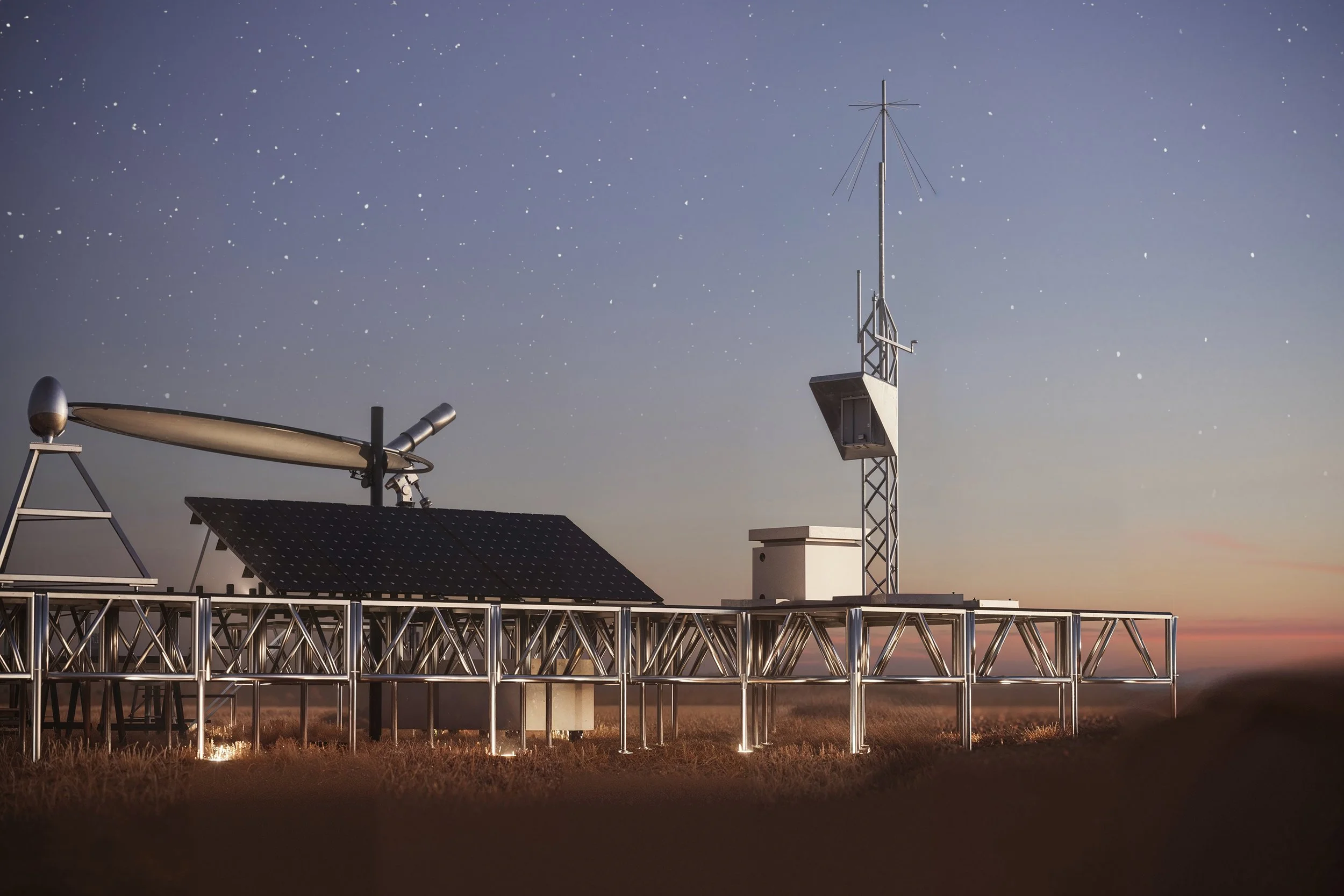
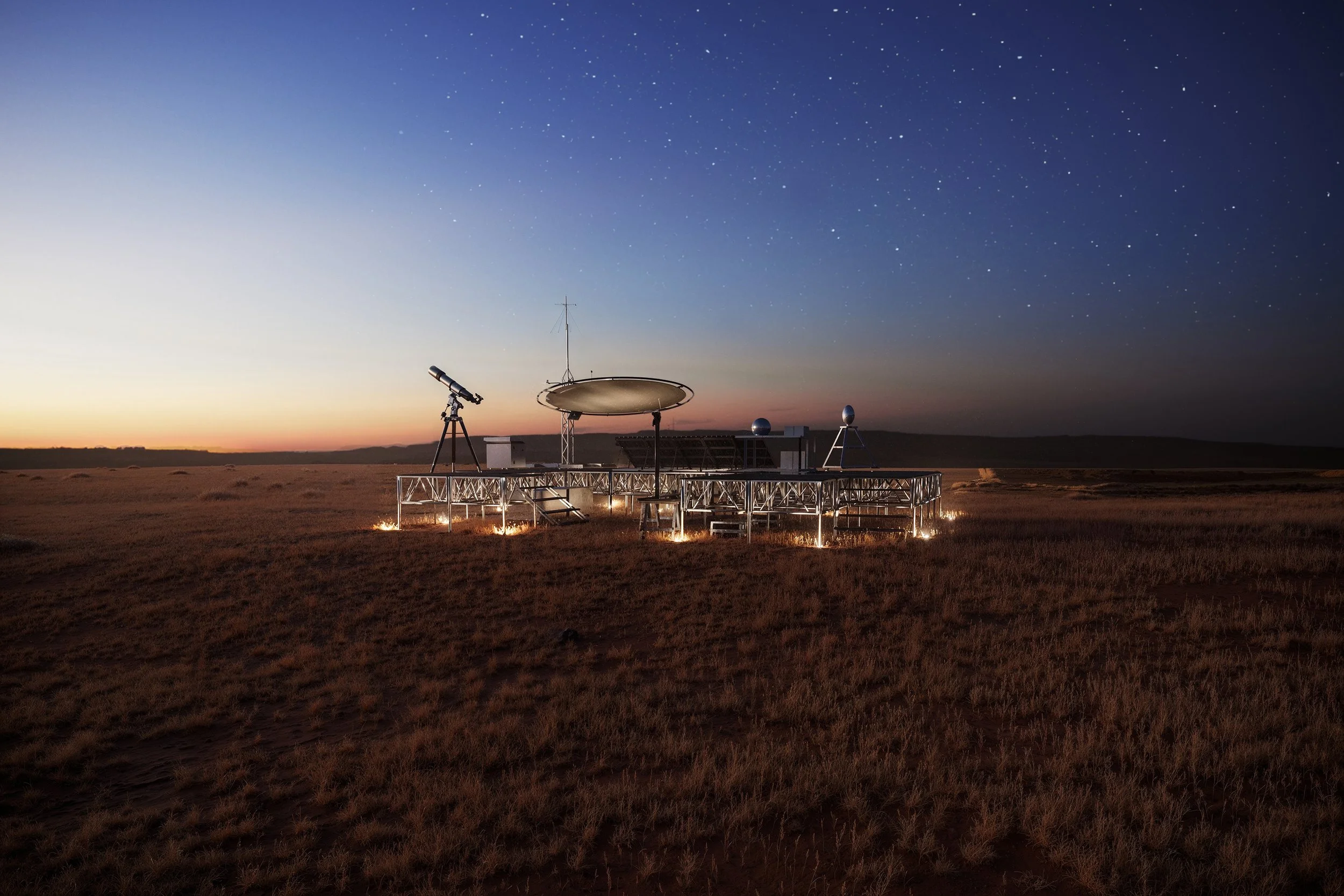
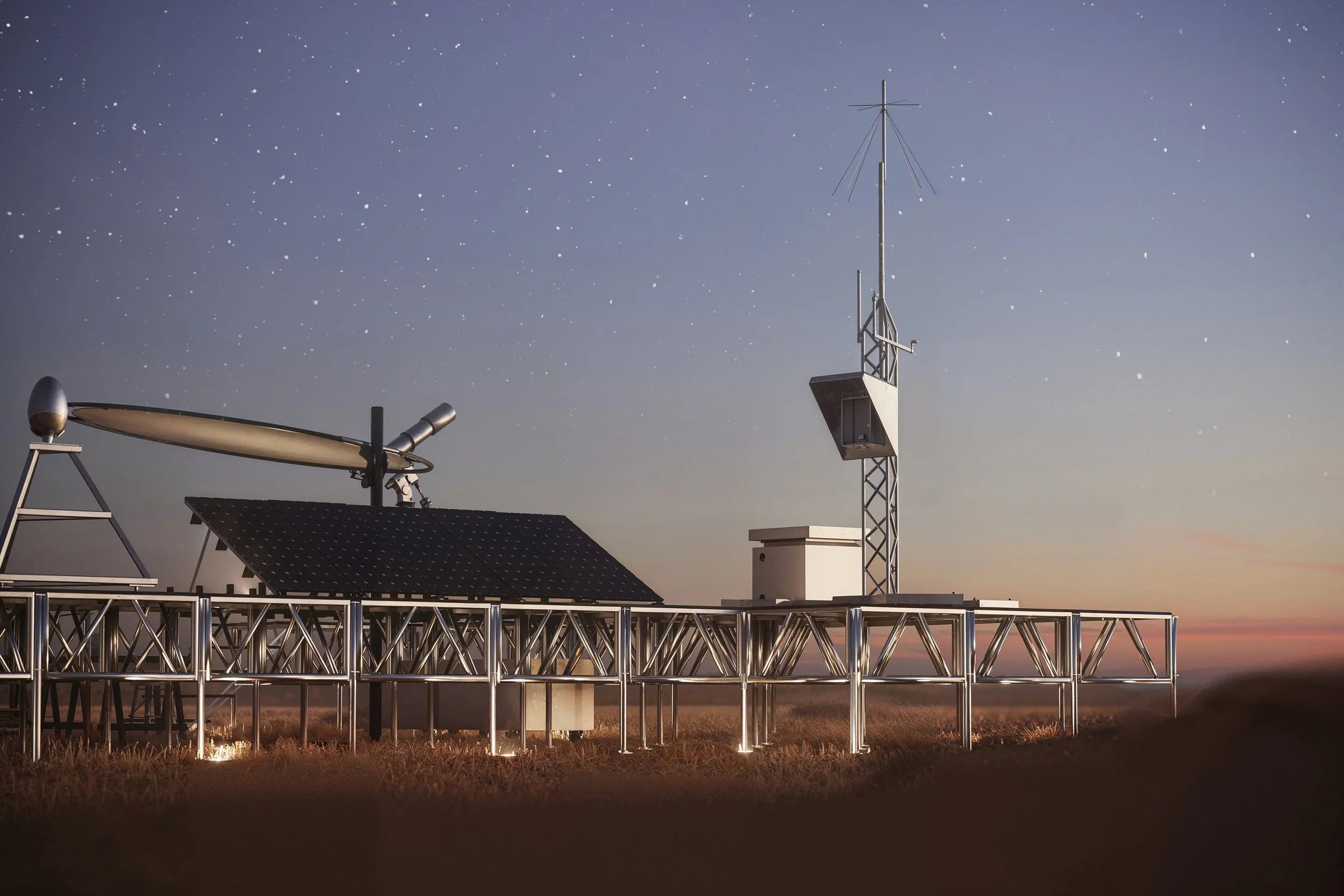
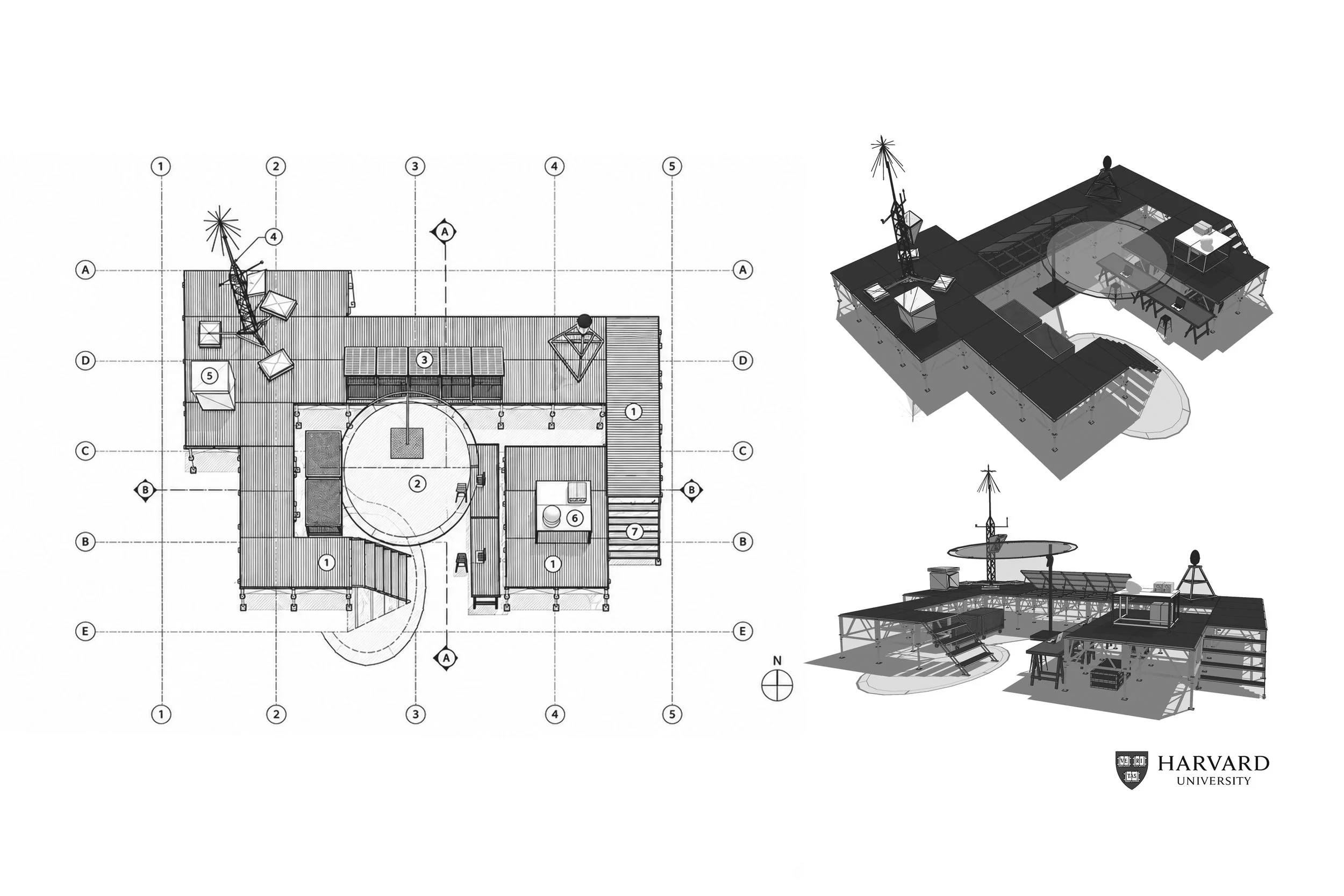
Marc Thorpe Design was invited by avi loeb, director of harvard’s galileo project to conceptualize a modular platform system to host its SENSITIVE research equipment. the goal of the project was to develop a robust modular system for rapid depolyment to remote locations within the united states. The goal of the Galileo Project is to bring the search for extraterrestrial technological signatures of Extraterrestrial Technological Civilizations (ETCs) from accidental or anecdotal observations and legends to the mainstream of transparent, validated and systematic scientific research. This project is complementary to traditional SETI, in that it searches for physical objects, and not electromagnetic signals, associated with extraterrestrial technological equipment.
Within this overarching goal, the Galileo Project has defined two specific goals, correlating to our two related areas of study:
To examine the possibility of extraterrestrial origin for unidentified aerial phenomena (UAP), by making observations of objects in and near Earth’s atmosphere, filtering out identifiable objects using AI deep learning algorithms trained on rigorous classification of known objects, and then examining the nature of the remaining data for anomalous characteristics.
To understand the origins of interstellar objects (ISOs) that exhibit characteristics which differ from typical asteroids and comets, like `Oumuamua, through discovery and characterization initiatives involving astronomical and atmospheric surveys as well as space-based observations.
Irrespective of the possibility that the Galileo Project may discover additional, or even extraordinary evidence for ETCs, at a minimum the Galileo Project will gather rich data sets that may foster the discovery of — or better scientific explanations for — novel interstellar objects with anomalous properties, and for potential new natural atmospheric phenomena, or in some instances terrestrial technology explanations for many of the presently inexplicable UAP.